How Orthodontists Close Gaps Between Teeth
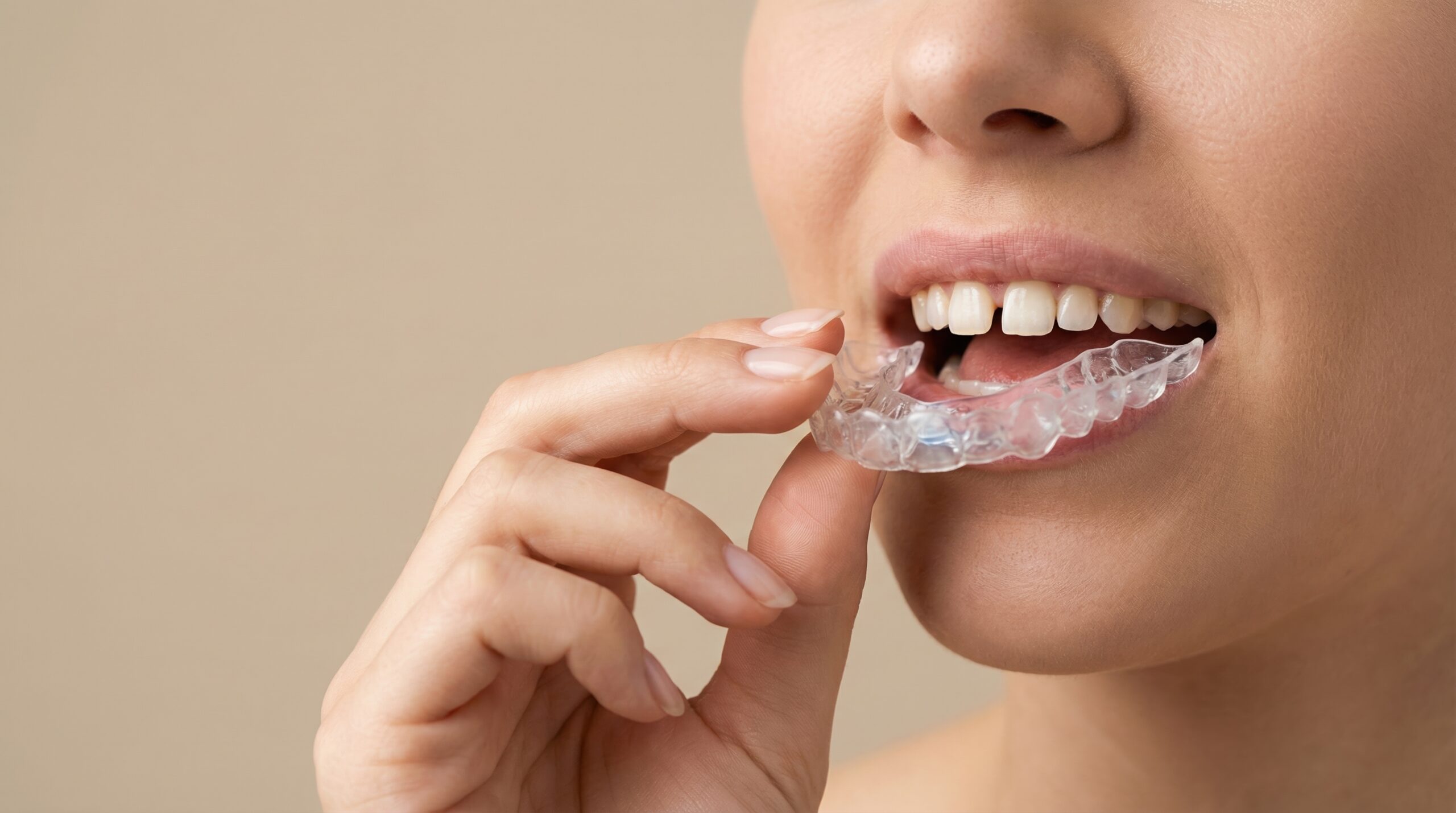
Gaps between teeth—often called spacing issues or diastema—are something many patients notice when they look in the mirror. For some, it’s a small space that’s always been there. For others, gaps develop over time due to shifting teeth or changes in oral health. Either way, modern orthodontic treatment offers reliable ways to close those spaces and create a more even, confident smile.
Understanding how orthodontists close gaps can help you feel more prepared if you’re considering treatment. It’s not just about aesthetics—closing spaces can also improve bite function and overall dental health.
What Causes Gaps Between Teeth?
Before jumping into treatment options, it’s important to understand why gaps form in the first place. Everyone’s smile is different, and spacing can happen for a variety of reasons.
Some patients naturally have a mismatch between the size of their teeth and their jaw, leaving extra room between teeth. Others may have lost a tooth, causing neighboring teeth to drift. Childhood habits like thumb sucking can also push teeth out of position. In some cases, gum issues can lead to spacing as the support around teeth changes.
No matter the cause, the goal of treatment is to bring teeth into better alignment while keeping everything balanced and functional.
The Science Behind Closing Gaps
Orthodontists don’t simply “push” teeth together. The process involves applying gentle, controlled pressure over time to guide teeth into new positions.
This works through a natural process called bone remodeling. When pressure is applied to a tooth, the bone around it begins to adapt—breaking down on one side and rebuilding on the other. This allows the tooth to move gradually without damaging surrounding structures.
Because this process takes time, consistency is key. Slow, steady movement leads to the best and most stable results.
Using Braces to Close Spaces
Braces are one of the most effective tools for closing gaps, especially when spacing is more noticeable or involves multiple teeth.
Brackets are placed on each tooth and connected with a wire that’s adjusted periodically. To specifically target gaps, orthodontists often use elastic chains that connect several teeth together. These chains apply continuous pressure, gently pulling teeth closer over time.
Braces allow for very precise control, which makes them ideal for more complex spacing cases where teeth need to move in different directions.
Clear Aligners for Gap Closure
For patients looking for a more subtle option, clear aligners are another popular way to close gaps. These custom-made trays fit snugly over your teeth and are designed to move them step by step.
Each aligner is slightly different, gradually shifting teeth closer together. The treatment is mapped out digitally in advance, so you can actually see how your smile will change over time.
Aligners work best when worn consistently, typically 20–22 hours a day. For mild to moderate gaps, they can be just as effective as braces when used as directed.
How Long Does It Take?
One of the first questions people ask is how long it takes to close gaps. The answer depends on how large the spaces are and how many teeth are involved.
Small gaps may close in just a few months, while larger spaces can take a year or more. The type of treatment you choose also plays a role, but the overall goal is safe, controlled movement rather than rushing the process.
Sticking to your treatment plan and attending regular check-ins helps keep everything on schedule.
Will the Gaps Come Back?
After putting in the time to close gaps, the last thing you want is for them to reopen. That’s where retainers come in.
Once treatment is complete, retainers help hold teeth in their new positions while the surrounding bone stabilizes. Without them, teeth can slowly drift back, especially in cases where spacing was present before.
Wearing your retainer as instructed is the best way to protect your results long term.
Are There Non-Orthodontic Options?
Some patients ask about quicker cosmetic fixes like bonding or veneers to close gaps. While these can improve appearance, they don’t actually move the teeth into better alignment.
Orthodontic treatment addresses the underlying issue, which leads to more stable and functional results. In some cases, orthodontics may be combined with cosmetic treatments for the best outcome.
A professional evaluation can help determine which approach makes the most sense for your smile.
What to Expect During Treatment
Gap closure is a gradual process, but most patients adjust quickly to their treatment. You might feel some pressure after adjustments or when switching aligners, but it usually fades within a few days.
Maintaining good oral hygiene is important throughout treatment. Keeping your teeth and appliances clean helps prevent irritation and keeps everything progressing smoothly.
Regular visits also allow your orthodontist to monitor movement and make any necessary adjustments along the way.
A More Confident Smile Starts with the Right Plan
Closing gaps between teeth can make a noticeable difference in how your smile looks and feels. Beyond aesthetics, properly aligned teeth are easier to clean and function more efficiently.
For many patients, the biggest change is confidence. Whether you’re smiling in photos or talking with others, having a more even smile can make everyday moments feel easier.
Elassal Orthodontics – Schedule Your Consultation Today
If you’re ready to close the gaps in your smile, Elassal Orthodontics in OKC offers customized treatment options to help you get there. From braces to clear aligners, the right plan can make a lasting difference in both appearance and function.
Take the first step toward a more confident smile by reaching out to Elassal Orthodontics and scheduling your consultation today.